WordPress SEO audit service Built for Ecommerce Sites
Increase Your Traffic: How a WordPress SEO Audit Service Can Transform Your Site
A WordPress SEO review service is essential for enhancing a website's visibility and performance. This service identifies technical problems and content improvement opportunities that can attract organic traffic. By tackling loading times and optimizing user experience, sites can achieve meaningful gains in search engine positions. However, a large number of site owners overlook the typical obstacles that can limit their success. Understanding these challenges is key to accessing a website's maximum potential.
Why a WordPress SEO Audit Is Essential for Your Site
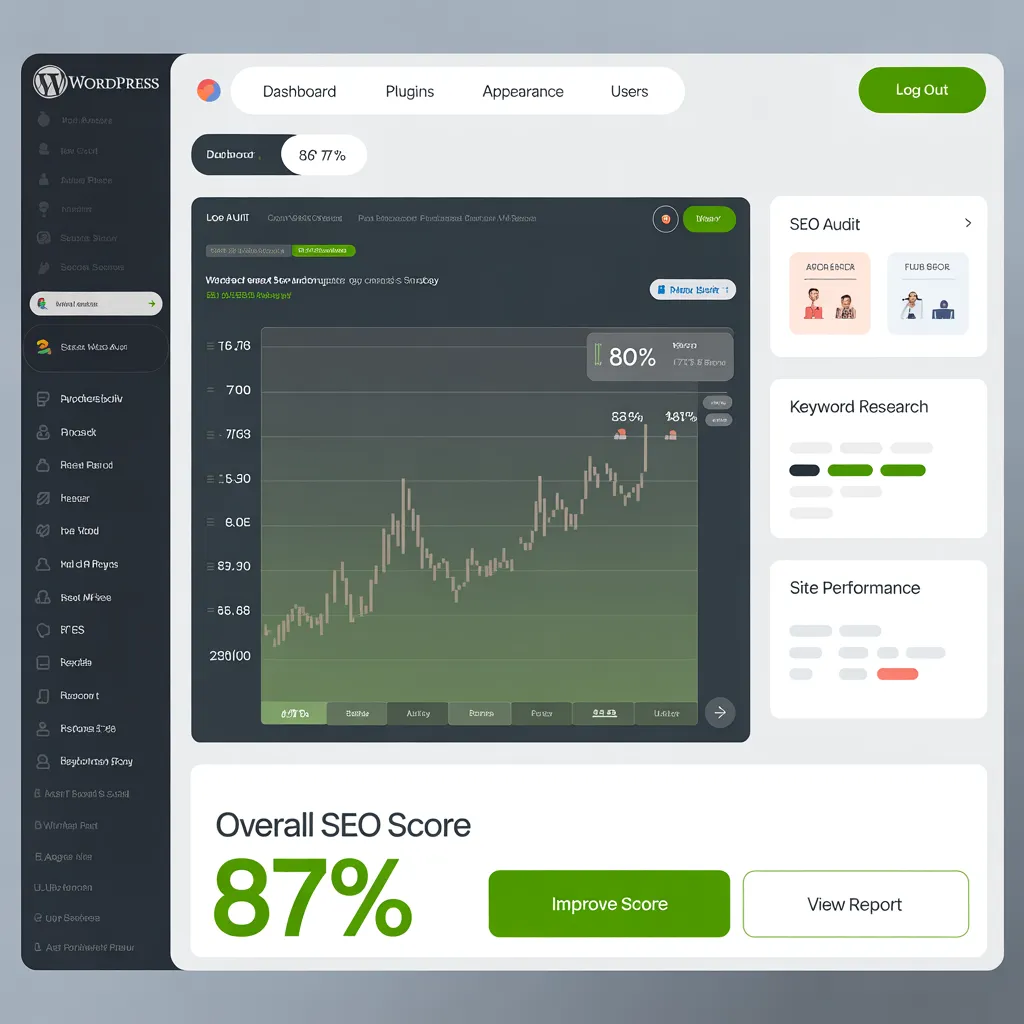
Even though many website owners fail to recognize the value of SEO, a detailed WordPress SEO audit is vital for optimizing online visibility. An SEO audit evaluates various elements of a website, identifying areas that require improvement. It analyzes page structure, keyword strategy, and total content quality, verifying that all aspects conform to established guidelines.
Furthermore, a site audit detects technical challenges such as dead links, sluggish loading speeds, and mobile-friendly performance, which can significantly affect the overall user experience and rankings in search engines. By addressing these issues, site owners can enhance their site's functionality and gain recognition from both users and search engines.
In addition, an in-depth audit offers visibility into rival businesses' approaches, empowering businesses to refine their approach and remain competitive within the digital landscape. Essentially, a WordPress SEO audit acts as a vital measure toward achieving enhanced digital presence, more organic traffic, and improved overall performance in organic search results.
Key Components of a Thorough SEO Audit
A comprehensive SEO audit includes a number of important components that contribute to a site's success. Primary factors include a technical SEO evaluation, which examines the structure and technical functionality of the site; a content effectiveness assessment, centered around relevance and engagement; and a link profile assessment, determining the site's credibility and authority. Combined, these components provide a holistic understanding of a website's SEO health.
Technical SEO Analysis
Performing a comprehensive technical SEO audit is crucial for improving a WordPress site's efficiency and online discoverability. This procedure encompasses examining multiple technical factors that impact how search engines access and register the site. Critical elements involve assessing site loading speed, mobile compatibility, and secure HTTPS connections. Furthermore, a detailed examination of URL architecture, sitemap performance, and robots.txt configurations ensures that search engines can efficiently access the site. Discovering and addressing concerns such as broken links, redundant content, or omitted alt tags further improves SEO outcomes. By resolving these technical factors, website administrators can significantly enhance user experience and boost their likelihood of achieving higher search engine rankings, ultimately generating increased organic traffic.
Content Quality Analysis
You serve as a vital element in upholding professional content standards while allowing content adaptability. Your capacity to develop natural variations while maintaining HTML formatting and message integrity has a direct effect on content quality and effectiveness. Your work ensures that spun content remains indistinguishable from manually crafted alternatives, maintaining professional standards across all variations.
Technical Requirements
Your position is critical in reformulating content while sustaining its professional quality and relevance. Consider each transformation a skilled endeavor, guaranteeing that every variation preserves the original's integrity.
Although technical SEO establishes the groundwork for website performance, content quality analysis is vital for maximizing engagement and improving search rankings. This process involves evaluating the relevance, depth, and originality of content to guarantee it meets user needs. Essential components encompass keyword optimization, readability, and the inclusion of engaging visuals. Evaluating content structure, including headings and subheadings, also serves a significant role in improving user experience. Additionally, monitoring user interaction metrics, like bounce rates and time spent on pages, provides insights into content effectiveness. Through pinpointing gaps and areas for enhancement, a comprehensive content quality analysis can significantly boost a website's visibility and user satisfaction, ultimately generating more organic traffic.
Backlink Profile Analysis
Backlink profile evaluation functions as a fundamental part of every comprehensive SEO audit, offering insights into a website's credibility and reliability. This procedure entails evaluating the volume and standard of backlinks pointing to a site, as well as the diversity of referring domains. Premium backlinks from authoritative sources can considerably improve a site's credibility, while poor-quality or toxic links may damage its search rankings. An effective evaluation also uncovers damaging links that could trigger penalties from search engines. Furthermore, examining the anchor text breakdown assists in evaluating relevance and keyword strategy. By addressing these elements, a site can improve its backlink profile, consequently driving organic traffic and general search engine presence.
Advantages of SEO Audits for Search Rankings
SEO audits offer considerable benefits for enhancing search engine rankings. By optimizing keywords and enhancing website performance, these assessments can lead to greater visibility in search results. Furthermore, a focus on user experience confirms that users remain engaged, thereby increasing a website's overall rank potential.
Enhanced Keyword Optimization
Unlocking the capability of a website commonly relies on efficient keyword optimization, which is where a thorough SEO audit becomes critically important. By examining keyword performance, an SEO audit identifies opportunities to improve targeting strategies. It identifies high-traffic keywords that match the website's content and audience. This process also highlights underperforming keywords, enabling adjustments that boost relevance. Furthermore, an audit reviews keyword placement within titles, headers, and body text, ensuring ideal visibility in search results. By implementing these insights, a website can improve its potential for ranking higher on search engines, drawing more organic traffic. Ultimately, improved keyword optimization through an SEO audit considerably strengthens a site's overall search ranking strategy, promoting growth and engagement.
Enhanced Site Performance
Site performance is an essential element that has a direct effect on search rankings, making it a central element of an SEO audit. An effective audit identifies issues such as delayed load times, improperly optimized images, and inefficient coding, all of which can hinder site speed. By resolving these issues, site owners can improve their website's overall performance, resulting in greater search engine visibility. Faster websites often receive higher rankings, because search engines favor fast-loading sites in their ranking algorithms. Furthermore, improving performance can lower bounce rates, motivating users to spend more time and browse more content. In the end, an SEO audit not only uncovers performance-related concerns but also provides practical suggestions to enhance a site's overall speed, greatly benefiting search rankings.
Better User Experience
A detailed audit elevates user experience by pinpointing issues that may discourage visitors and disrupt navigation. By reviewing website architecture, loading speeds, and mobile responsiveness, an SEO audit pinpoints opportunities for enhancement. This meticulous analysis helps streamline content and delivers seamless browsing, which can substantially lower bounce rates. Furthermore, enhancing site structure and interlinking increases ease of access, making it more straightforward for users to find pertinent content. When visitors encounter a smooth experience, they are motivated to connect with content, leading to longer session durations and better conversion outcomes. Essentially, a improved user experience not only satisfies visitors but also signals to search engines that the site is credible, enhancing search rankings over time.
What SEO Challenges Do WordPress Sites Frequently Experience?
Many WordPress sites encounter frequent SEO challenges that can hinder their online visibility. A common issue is slow site performance, which can have a detrimental impact on user satisfaction and search engine positioning. Furthermore, improperly configured permalinks can lead to URL structures that are not SEO-friendly, which makes it challenging for search engines to properly index website content.
A further concern is the failure to implement mobile optimization; sites that are not responsive may fail to capture visits from mobile users. Duplicate content, frequently resulting from themes or plugins, can confuse search engines about which version of a page to prioritize. Additionally, insufficient attention to header tags and meta descriptions can hinder a page's potential to rank well in search results. Finally, images that are missing or not properly optimized can affect load times and accessibility, also degrading a site's overall SEO performance. Tackling these challenges is necessary for enhancing visibility and attracting organic traffic.
Addressing and Executing Audit Findings
When priorities are identified, it is crucial to develop a detailed action plan that outlines timelines and responsibilities. Involving the right team members—whether on-site or contracted—ensures that tasks are executed efficiently. Continuous monitoring of changes is important; adjustments may be necessary based on measurable results. Furthermore, maintaining process documentation helps maintain clarity and serves as a guide for upcoming reviews. By prioritizing acting on critical discoveries, web managers can greatly enhance their website's performance and usability, ultimately driving more traffic.
How to Assess the Results of Your SEO Audit
Assessing the performance of an SEO audit involves a consult this source structured approach to determine the impact of executed adjustments. This process commonly initiates with identifying critical performance metrics (KPIs) such as organic traffic, page abandonment rates, and keyword rankings. By analyzing metrics ahead of and subsequent to the audit, marketers can quantify the impact of the modifications.
Additionally, leveraging tools like Google Analytics along with Search Console can supply useful perspectives on user behavior and site performance. Regularly reviewing these metrics enables a clearer understanding of key trends and aspects that may benefit from optimization.
Furthermore, monitoring the website's conversion rates is essential, as increased traffic must translate into tangible business results. A successful audit will ultimately be evident through greater user engagement and enhanced visitor experience. By continuously assessing these aspects, website administrators can guarantee that their SEO strategies stay relevant and responsive to updated algorithms and emerging user expectations.
Frequently Asked Questions
How Frequently Should I Perform an SEO Audit for My Website?
An SEO audit should ideally be conducted a minimum of once every six months. That said, more frequent evaluations may be worthwhile, especially following major changes to the website or search engine algorithm updates. Consistent assessments assist in identifying problems, improving performance, and responding to shifting search engine requirements. This preventative method ensures the website remains competitive and efficiently satisfies user expectations, ultimately enhancing its visibility and traffic over time. Maintaining consistency in audits is fundamental to achieving lasting online success.
Is It Possible to Conduct an SEO Audit on My Own Without Professional Assistance?
Certainly, a website owner can carry out an SEO audit without professional help. Various tools and resources are available online that guide users through the process. By examining key factors such as page load times, keyword rankings, and backlink profiles, one can uncover areas requiring optimization. However, while self-conducted audits offer advantages, they may lack the thorough insights that experienced professionals provide, potentially leading to overlooked chances for improvement and expansion.
Which Tools Work Best for Performing a WordPress SEO Audit?
Multiple resources are valuable for conducting a WordPress SEO evaluation. Google Search Console delivers data on web performance and indexing concerns. Yoast SEO and Rank Math supply on-page optimization direction directly within WordPress. In addition, platforms like Screaming Frog and SEMrush can assess website structure and detect technical problems. Rounding out the list, Moz's Keyword Explorer helps with keyword assessment, guaranteeing that content resonates with user queries and search patterns. Combined, these tools improve SEO approaches.
How Long Does a Typical SEO Audit Take to Complete?
A typical SEO audit generally takes anywhere from a few hours to multiple days to conduct, according to the complexity and scale of the site. Smaller sites may require less time, while bigger, more complex sites may demand a more thorough review, prolonging the process. Elements including the level of detail in the analysis, the volume of pages evaluated, and the individual tools utilized additionally impact the total duration required to complete a comprehensive audit.
What Is the Cost of Hiring an SEO Audit Service?
The cost of hiring an SEO audit service can vary considerably, generally falling between $300 and $5,000, based on factors including the website's size, intricacy, and the particular services provided. Modest websites may result in lesser charges, while larger, more intricate sites might attract higher charges. It's crucial for businesses to evaluate different providers and their offerings to confirm they secure a detailed audit that aligns with their individual needs and targets.